By Lanka Matha Tours | Updated Feb 13, 2026
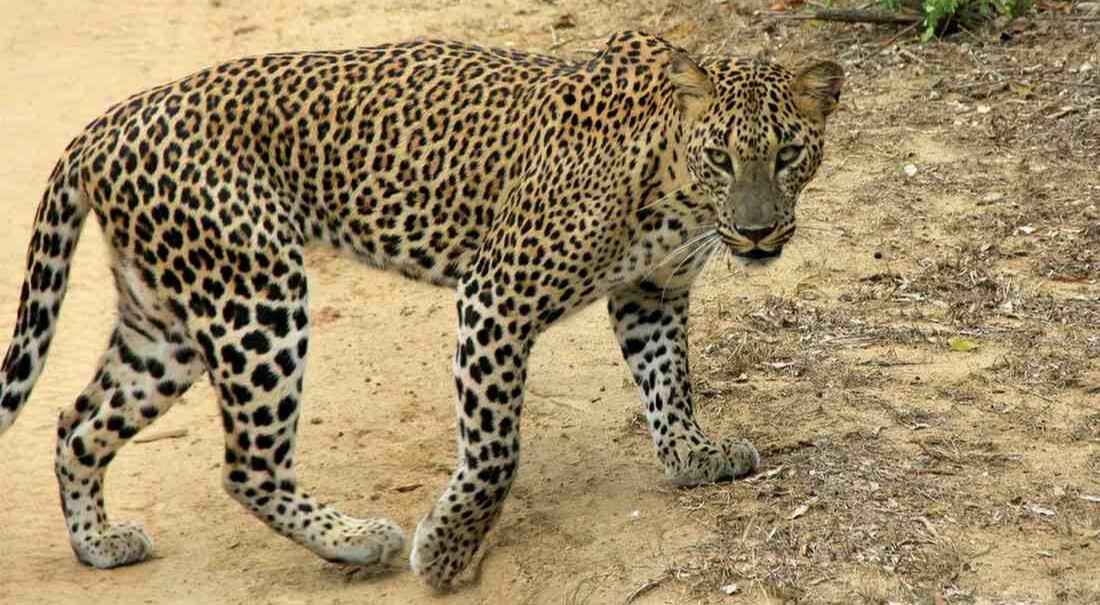
Sri Lanka has the highest biodiversity density per unit area in Asia. Despite being roughly the size of Ireland, this tropical island is home to the majestic Asian elephant, the elusive Sri Lankan leopard — found nowhere else on Earth — sloth bears, crocodiles, and over 430 bird species, including 33 endemics found only on this island.
A Sri Lanka wildlife safari is one of the most rewarding experiences the island offers. In this comprehensive guide, we profile the top national parks, the best season for each, what animals you can expect to see, essential safari etiquette, and practical photography tips.
Top National Parks for Safari
1. Yala National Park — The Leopard Kingdom
Yala, located in the island's southeast, is Sri Lanka's most famous national park and home to the highest density of leopards in the world. The park's Block 1 (the most visited area) covers 141 square kilometres of scrubland, rocky outcrops, lagoons, and forest that provide ideal leopard habitat.
- Best time: February to July (dry season concentrates animals at waterholes)
- Key species: Sri Lankan leopard, Asian elephant, sloth bear, spotted deer, wild boar, crocodiles, peacocks
- Closed: September for annual maintenance
Insider tip: Enter the park at 6:00 AM sharp for the best leopard sighting chances. Early morning light also provides the best photography conditions.
2. Udawalawe National Park — Elephant Paradise
If you want a guaranteed elephant sighting, Udawalawe is the park to visit. Located in the southern lowlands, this 30,821-hectare park is home to approximately 600 wild elephants. Herds of 50 or more are a common sight, and you will almost certainly see them within the first 30 minutes of your safari.
- Best time: Year-round (excellent any month)
- Key species: Asian elephant, water buffalo, sambar deer, jackals, eagles, painted storks
- Bonus: Visit the nearby Elephant Transit Home — a rehabilitation centre that releases orphaned baby elephants back into the wild
3. Minneriya National Park — The Gathering
Minneriya is famous for hosting "The Gathering" — one of the largest wild elephant congregations on the planet. Between August and October, as the ancient Minneriya Tank begins to dry, up to 300 elephants assemble on its shores to graze, bathe, and socialise. National Geographic has called it one of the great wildlife spectacles of the natural world.
- Best time: August to October (The Gathering peak)
- Key species: Asian elephant (massive herds), purple-faced langur, toque macaque, grey slender loris (nocturnal)
4. Wilpattu National Park — Wilderness & Solitude
Sri Lanka's largest national park at 131,693 hectares, Wilpattu offers a completely different safari experience. Located in the northwest, it is characterised by dense forest and natural "villus" (sand-rimmed lakes). It receives far fewer visitors than Yala, making it ideal for travellers seeking a quiet, immersive wilderness experience.
- Best time: February to October
- Key species: Sri Lankan leopard, sloth bear, mugger crocodile, painted stork, Sri Lankan junglefowl (national bird)
5. Sinharaja Rain Forest — Endemic Bird Haven
A UNESCO World Heritage Site, Sinharaja is Sri Lanka's last remaining primeval rainforest. While not a traditional jeep safari, guided walking treks through this dense forest reveal an extraordinary concentration of endemic species — particularly birds. Of the island's 33 endemic bird species, 28 can be found here.
- Best time: January to March and August to September (driest periods)
- Key species: Sri Lanka blue magpie, red-faced malkoha, green-billed coucal, purple-faced langur, endemic tree frogs
Park Comparison at a Glance
| Park | Best For | Best Season | Crowd Level |
|---|---|---|---|
| Yala | Leopards, all-round wildlife | Feb–Jul | High |
| Udawalawe | Elephants (guaranteed) | Year-round | Medium |
| Minneriya | The Gathering (mass elephants) | Aug–Oct | Medium |
| Wilpattu | Wilderness, leopards, solitude | Feb–Oct | Low |
| Sinharaja | Endemic birds, rainforest | Jan–Mar, Aug–Sep | Low |
Safari Etiquette & Tips
- Stay in the vehicle: Never leave the jeep unless your guide says it is safe. Wild animals are unpredictable.
- Keep noise to a minimum: Loud voices and sudden movements scare wildlife away. Speak softly and avoid slamming doors.
- No flash photography: Flash can distress animals, especially nocturnal species. Use natural light or high ISO settings.
- Maintain distance: Never ask your driver to chase or corner an animal. Ethical wildlife viewing means respecting their space.
- No feeding: Feeding wild animals disrupts natural behaviour and can be dangerous.
- Take nothing, leave nothing: Do not collect shells, feathers, or plants. Take all rubbish with you.
Wildlife Photography Tips
- Bring a telephoto lens (200–600mm) — animals are often at a distance.
- Use continuous autofocus and burst mode for moving animals.
- Early morning safaris (6:00–9:00 AM) provide the best golden light and most active wildlife.
- Wear neutral-coloured clothing (khaki, olive, brown) to avoid standing out.
- Bring a beanbag or monopod to stabilise your lens on the jeep's edge.
- Be patient — the best shots come to those who wait quietly.
What to Bring on Safari
- Binoculars (essential for birding and scanning distant scrubland)
- Sunscreen and a wide-brimmed hat (no shade in open-top jeeps)
- Insect repellent (especially for Sinharaja and Wilpattu)
- Water and light snacks
- A light rain jacket (weather can change quickly)
- A wildlife field guide or the Birds of Sri Lanka app on your phone
Frequently Asked Questions
What is the best national park in Sri Lanka for leopards?
Yala National Park has the highest density of leopards in the world. The best time for sightings is during the dry season (February to July) when animals congregate around waterholes, making them easier to spot.
What animals can I see on a Sri Lanka safari?
Sri Lanka is home to Sri Lankan leopards, Asian elephants, sloth bears, sambar deer, wild boar, crocodiles, and over 430 bird species. Marine wildlife includes blue whales, sperm whales, and five species of sea turtle.
What is the best time of year for a safari in Sri Lanka?
It varies by park. For Yala, February to July is best. Udawalawe is excellent year-round. Minneriya is famous for The Gathering from August to October. Wilpattu is best from February to October. Check our seasonal guide for more details.
How much does a safari cost in Sri Lanka?
National park entry fees for foreigners range from $15 to $25 per person. A half-day jeep safari with a driver and tracker typically costs $40 to $80. Our all-inclusive packages include luxury accommodation, park fees, and expert naturalist guides.
Related Guides
- Best Time to Visit Sri Lanka — Month-by-Month Guide
- Top 10 Best Places to Visit in Sri Lanka (2026)
- Kandy to Ella Train Journey — Tickets, Tips & Timetable
- Sri Lanka Honeymoon Guide — Romantic Destinations
- Top 7 Authentic Sri Lankan Culinary Experiences
Experience the Wild Side of Sri Lanka
Our expertly guided safari tours include luxury tented camps, professional naturalist guides, and ethically responsible game drives. See the Big Five of Sri Lanka up close.
Explore Wildlife Tours